
Termites
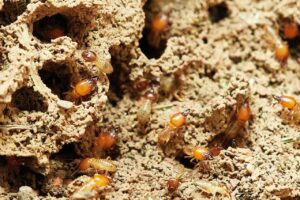
Australian termites are a group of termite species that are native to Australia. There are more than 360 species of termites found in Australia, and many of them are important pests that can cause significant damage to homes and other structures.
Australian termites are social insects that live in large colonies or nests, which can be located underground, in trees or in man-made structures. They feed on wood and other cellulose-containing materials, and can cause extensive damage to wooden buildings and other structures.
One of the most destructive species of Australian termites is the Formosan termite, which is an introduced species from Asia that has become established in some parts of Australia. This species is particularly aggressive and can cause extensive damage to buildings and other structures in a short amount of time.
To protect homes and other structures from Australian termites, it is important to implement termite management strategies, such as regular termite inspections, use of termite-resistant building materials, and chemical treatments when necessary.
Cockroaches
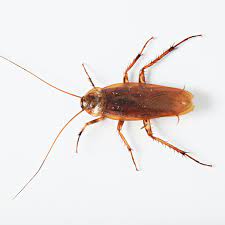
Cockroaches are insects that belong to the order Blattodea. There are more than 4,500 species of cockroaches, but only a small number of them are considered pests. Cockroaches are known for their flattened bodies, long antennae, and broad, spiny legs. They have a reputation for being tough and adaptable, and are able to survive in a wide range of environments.
Cockroaches are typically nocturnal insects and are often found in dark, damp areas such as basements, kitchens, and bathrooms. They feed on a variety of organic materials, including food scraps, paper, and glue. Cockroaches can also be a health hazard, as they are known to carry disease-causing pathogens that can be transmitted to humans.
Common species of cockroaches that are considered pests include the German cockroach, American cockroach, and Oriental cockroach. These species are often found in homes and other buildings and can cause significant damage to food supplies and structures.
Control measures for cockroaches include keeping living spaces clean and free of food debris, sealing cracks and crevices to prevent entry, using baits and insecticides when necessary, and maintaining good sanitation practices. Regular pest inspections can also help to prevent infestations and detect problems early.
Spiders
Australia is home to many species of spiders, some of which are unique to the country. Some of the most well-known species of spiders found in Australia include:
Redback spider – a small, venomous spider that is common throughout Australia. The female is recognizable by her red or orange stripe on her abdomen.
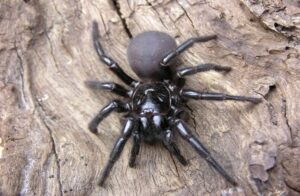
Funnel-web spider – a large, aggressive spider that is native to eastern Australia. The venom of some species can be deadly to humans.
Huntsman spider – a large, non-venomous spider that is commonly found in homes and gardens throughout Australia. They are known for their flattened bodies and long, spindly legs.
Wolf spider – a fast-moving spider that hunts prey on the ground. They are found throughout Australia and are often seen in gardens and on paths.
Orb-weaving spider – a group of spiders that build large, circular webs to catch flying insects. There are many different species of orb-weaving spiders found in Australia.
Jumping spider – a small, agile spider that is known for its ability to jump several times its body length. They are found throughout Australia and are often seen in gardens and on windowsills.
There are many other species of spiders found in Australia, and some are still being discovered and studied by scientists. While some species are venomous and can be dangerous to humans, many others are harmless and even beneficial to the environment. It’s always a good idea to exercise caution and seek medical attention if bitten by a spider in Australia
Bees & Wasps
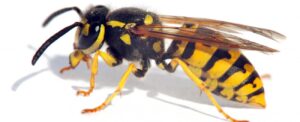
Bees and wasps are both flying insects that belong to the order Hymenoptera, but they have some distinct differences in their appearance, behavior, and biology.
Bees are generally known for their fuzzy bodies and important role in pollination. They are social insects that live in colonies, with a queen bee laying eggs and worker bees collecting nectar and pollen from flowers to feed the colony. Bees are also known for producing honey, which is made by worker bees from nectar they collect and store in the hive. There are many different species of bees, with honeybees, bumblebees, and carpenter bees being some of the most well-known.
Wasps, on the other hand, are generally recognized by their slender bodies, shiny appearance, and narrow waist. They can be social or solitary, and often prey on other insects for food. Some species of wasps are also important pollinators. Unlike bees, wasps do not produce honey, but some species are known to build intricate nests out of paper-like material.
Both bees and wasps can sting, and some species can be dangerous to humans if provoked. Bees are generally less aggressive than wasps, and will only sting if they feel threatened or if their colony is disturbed. Wasps, on the other hand, can be more aggressive and will often sting multiple times if provoked.
While bees and wasps can be a nuisance or even a danger to humans, they play important roles in ecosystems as pollinators and as natural predators of other insects. It’s important to take steps to safely coexist with bees and wasps, such as avoiding disturbing their nests and seeking professional help to remove nests if necessary.
Ants
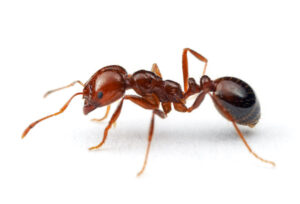
Ants are social insects that belong to the family Formicidae. They are found all over the world, and are known for their highly organized colonies, which can contain millions of individual ants. Ants are eusocial, meaning that they live in complex, cooperative societies with distinct roles for different members of the colony.
Ants are typically small, ranging in size from less than 1 millimeter to several centimeters in length, and can be black, brown, red, or a combination of colors. They have three distinct body parts, including a head, thorax, and abdomen, and are known for their strong mandibles, which they use for carrying food and defending the colony.
Ants are omnivores and will eat a wide range of foods including insects, nectar, seeds, and other small animals. Some species of ants also cultivate fungus gardens, which they use as a food source. Ants communicate with one another using a variety of methods, including chemical signals called pheromones and tactile signals, and can work together to accomplish complex tasks.
While some species of ants can be a nuisance or even a danger to humans, such as those that bite or sting, ants play important roles in ecosystems as predators of other insects and as seed dispersers. They are also important in soil health, as they aerate the soil and help to break down organic matter.
Rats & Mice
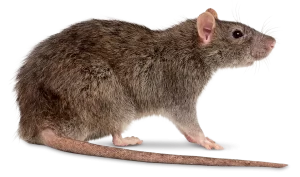
Rats and mice are both types of rodents that are found all over the world. While they have some similarities in appearance and behavior, there are also some important differences between the two.
Mice are generally smaller than rats, with a slender body, pointed nose, and large ears. They are social animals that live in groups, and can reproduce quickly, with females capable of having litters of up to 14 pups every three weeks. Mice are also known for their ability to squeeze through small gaps and openings, and can be a common pest in homes and businesses.
Rats, on the other hand, are larger and more robust than mice, with a blunt nose and shorter ears. They are also social animals that live in groups, and are known for their intelligence and ability to problem-solve. Rats can cause damage to buildings and infrastructure, and can also be carriers of diseases that can be transmitted to humans.
Both rats and mice are omnivores, and will eat a wide range of foods including seeds, grains, fruits, and insects. They can also cause damage to food stores and crops, and can be a nuisance or even a danger to humans if they infest homes or businesses. It’s important to take steps to prevent rodent infestations, such as sealing up cracks and openings, keeping food stores secure, and practicing good sanitation practices.
Birds
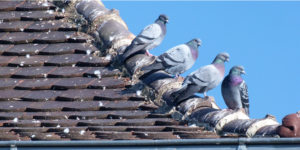
Birds can become pests when they cause damage or pose a threat to human health and safety. Some common pest bird species include pigeons, seagulls, and sparrows, among others.
One reason why pest control measures may be necessary for birds is to prevent damage to buildings and other infrastructure. For example, birds can cause damage to roofs, gutters, and other structures by nesting, perching, or leaving droppings. Bird droppings can also be unsightly and can cause health hazards, as they can harbor bacteria, viruses, and other pathogens that can be harmful to humans.
In addition to causing damage, some bird species can also pose a threat to human safety. For example, seagulls are known for their aggressive behavior and can attack humans, particularly when they are protecting their young. Pigeons and other birds can also carry diseases that can be transmitted to humans, such as salmonella and histoplasmosis.
To control pest bird populations, a variety of methods may be used, including physical barriers, such as netting or spikes, and deterrents, such as loud noises or flashing lights. In some cases, pest control professionals may also use bird repellents or humane trapping and relocation methods. It’s important to use appropriate and humane methods for pest bird control, as many bird species are protected under state and federal laws
Bed Bugs
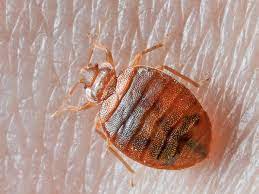
Bed bugs are small, reddish-brown insects that feed on the blood of humans and other animals. They are wingless and about the size of an apple seed, making them difficult to spot. Bed bugs are primarily active at night, and are attracted to the carbon dioxide and warmth that humans emit while sleeping.
Bed bugs are often found in areas where people sleep, such as beds, sofas, and other furniture. They can also be found in cracks and crevices, such as behind baseboards and wallpaper, or in luggage and clothing that has been in infested areas. Bed bugs can be transported from one location to another through infested items, such as furniture, clothing, or luggage.
Bed bug bites can cause itchy, red welts on the skin, and in some cases, an allergic reaction. However, not everyone reacts to bed bug bites, so it’s possible to have an infestation without being aware of it. Signs of a bed bug infestation may include bloodstains on bedding or furniture, shed skins, and a sweet, musty odor.
Getting rid of bed bugs can be difficult, and often requires professional pest control services. Treatment options may include the use of insecticides, heat treatment, or freezing. To prevent bed bugs, it’s important to inspect secondhand furniture and clothing before bringing them into the home, and to take precautions when traveling, such as inspecting hotel rooms for signs of infestation and keeping luggage off the floor.
Mosquitoes
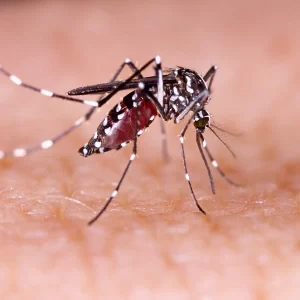
Pest control measures are often necessary for mosquitoes because they can pose a threat to human health. Mosquitoes are known to transmit a variety of diseases, including malaria, dengue fever, Zika virus, West Nile virus, and yellow fever, among others.
Mosquitoes breed in stagnant water, and can be found in a variety of environments, from urban areas to rural ones. Female mosquitoes feed on the blood of humans and other animals, using the proteins in the blood to produce eggs. Mosquitoes are most active at dawn and dusk, and can be attracted to humans by the carbon dioxide and other chemicals we emit.
To control mosquito populations, a variety of measures may be used, including removing standing water, using larvicides to kill mosquito larvae, and using adulticides to kill adult mosquitoes. In some cases, mosquito control may also involve the use of biological control methods, such as introducing predators or parasites that feed on mosquitoes.
Preventing mosquito bites is also an important aspect of mosquito control. This can be done by using insect repellent, wearing protective clothing, and using screens on windows and doors to keep mosquitoes out of the home. It’s also important to empty or cover any containers that can collect standing water, such as buckets, flowerpots, and bird baths, to prevent mosquitoes from breeding.
Fleas / Ticks
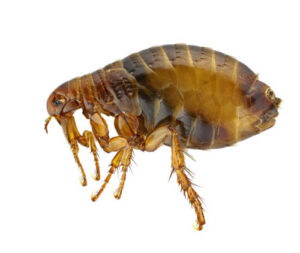
Fleas and ticks are both types of parasites that feed on the blood of animals, including humans.
Fleas are small, wingless insects that are typically found on dogs, cats, and other pets. They are reddish-brown in color and have flattened bodies, which allow them to move easily through the fur of their hosts. Fleas can jump up to 7 inches in height, making it easy for them to move from one host to another.
Ticks are small arachnids that are found in grassy, wooded areas. They attach themselves to animals or humans and feed on blood. Ticks can transmit a variety of diseases, including Lyme disease, Rocky Mountain spotted fever, and anaplasmosis.
Both fleas and ticks can cause health problems for animals and humans. Flea bites can cause skin irritation and itching, and can also transmit diseases such as murine typhus and plague. Ticks can transmit a variety of diseases, some of which can be serious or even life-threatening.
To control flea and tick populations, a variety of methods may be used, including treating pets with flea and tick medications, using flea and tick collars or sprays, and treating indoor and outdoor areas with insecticides. It’s also important to keep pets groomed and to regularly vacuum and clean areas where pets spend time.
Preventing flea and tick bites is also important. This can be done by wearing long pants and sleeves when spending time in wooded or grassy areas, using insect repellent, and checking for ticks after spending time outdoors. Regularly checking pets for fleas and ticks is also important for preventing infestations.
Milipedes
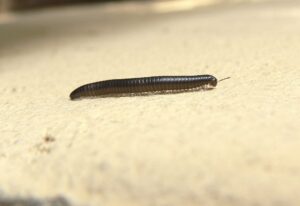
Millipedes are arthropods that are characterized by their long, cylindrical bodies and numerous legs. Despite their name, millipedes do not have exactly 1,000 legs – most species have between 30 and 90 pairs of legs, which can make them look quite intimidating.
Millipedes are found throughout the world and are often found in damp, dark environments such as forests, grasslands, and wetlands. They feed on decaying plant matter and other organic material, and are an important part of many ecosystems as decomposers.
While millipedes are generally harmless to humans, they can sometimes become a nuisance if they enter homes or gardens in large numbers. Some species of millipedes can release a foul-smelling liquid from their bodies as a defense mechanism, which can cause skin irritation or staining of fabrics.
To prevent millipedes from entering homes or gardens, it’s important to seal cracks and openings in the foundation and walls, and to keep basements and crawl spaces dry and well-ventilated. Removing sources of decaying plant matter, such as piles of leaves or compost, can also help to reduce millipede populations. If millipedes become a persistent problem, professional pest control services may be necessary.
Silverfish
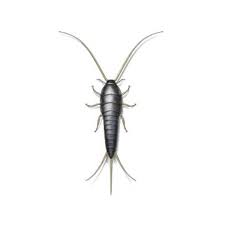
Silverfish are small, wingless insects that are characterized by their silvery-blue color and long, slender bodies. They are found throughout the world and are often found in damp, dark environments such as basements, attics, and bathrooms.
Silverfish are scavengers that feed on a variety of organic materials, including paper, fabric, glue, and dead insects. They are often attracted to starches and sugars, and can cause damage to books, wallpaper, and other household items.
While silverfish are generally harmless to humans, they can become a nuisance if they infest homes or other indoor spaces. Silverfish can reproduce quickly and can be difficult to control once they establish a population.
To prevent silverfish infestations, it’s important to keep indoor spaces dry and well-ventilated, and to eliminate sources of moisture such as leaky pipes or damp basements. Sealing cracks and openings in walls and foundations can also help to prevent silverfish from entering homes. If silverfish become a persistent problem, professional pest control services may be necessary.
Moths
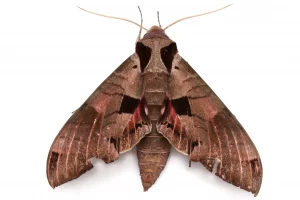
Moths are a type of insect that are closely related to butterflies. They are found throughout the world and are known for their distinctive, often colorful wings. Moths come in a wide range of sizes and colors, with some species having wingspans of several inches.
Moths are primarily nocturnal, and many species are attracted to light. They feed on nectar and other plant fluids, and some species do not feed at all as adults.
While most moths are harmless to humans, some species can cause damage to clothing, fabrics, and other materials. The larvae of some moth species, such as the clothes moth, feed on wool, fur, and other natural fibers. Moth infestations can cause significant damage to clothing and other fabrics if left untreated.
To prevent moth infestations, it’s important to store clothing and other fabrics in sealed containers or bags, and to clean and vacuum areas where moth larvae may be present, such as closets, drawers, and storage areas. Cedar wood, lavender, and other natural repellents can also help to deter moths. If moth infestations become a persistent problem, professional pest control services may be necessary.